You may have heard a lot of talk recently about some whacky hormones called Insulin and Leptin and their supposed affect on your waistline, but have you ever really been able to understand any of this?
In this article I endeavour to explain exactly what insulin and leptin are and how they might be making you fat. Let’s start with Leptin….
Since its discovery in 1994, Leptin has unlocked the answers to some of the most confusing aspects of weight loss; as it has been shown to affect the regulation of appetite, metabolic efficiency, movement and the “stop eating” signal from your body to your brain.
What is Leptin?
Leptin is a hormone produced by fat cells, created directly proportionate to your body-fat levels; so, this means that the fatter you are, the more leptin you have in your body. When you are overweight and high levels of leptin circulate your body for a prolonged period of time, your body will become what is called ‘Leptin Resistant’. Your brain’s constant exposure to leptin blocks bombards any other signals that your stomach may be full and so you are more likely to overeat, gain weight, and constantly feel dissatisfied and sluggish after and in between meals.
What causes Leptin Resistance?
The greatest contributing factor to Leptin Resistance is a diet high in ‘Toxic Lectin’ foods (that’s right, with a C) and foods high in fructose such as processed foods, breads, sweets and even the over-consumption of naturally occurring sugars in fruit.
How can I avoid Leptin Sensitivity?
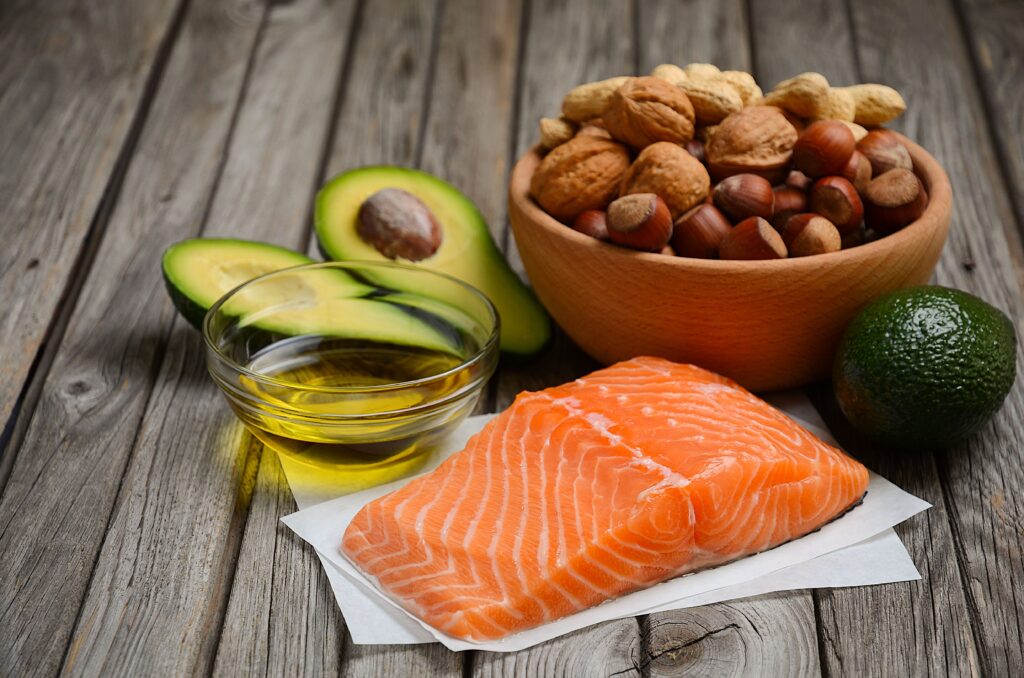
The most obvious way to avoid Leptin Sensitivity is to reduce the number of fat cells in the body that produce them, however as we all know this is easier said than done. The best way to begin this process is by limiting your exposure Toxic Lectin and high-fructose foods by following a Mediterranean style diet high in healthy fats, with moderate protein and plenty of fresh vegetables.
Another way to decrease your body’s level of insulin is to intermittently fast overnight; giving your body at least 16 hours between meals for leptin levels to drop. This may look like eating your last evening meal at 6 o’clock and then eating breakfast the next day at 9 o’clock or thereafter.
So what does Insulin have to do with Leptin?
Leptin Resistance is a key indicator of Insulin Resistance; an inability of the body to process the sugars and carbohydrates in food. With this relation in mind we can hypothesise that a person with Leptin Sensitivity is also more likely to develop Insulin Sensitivity; leading to a whole host of metabolic distress and diseases such as type 2 diabetes and obesity.
If you are overweight, sluggish, or after reading this feel as though you might be Leptin Resistant then a consultation with your health care professional is a good idea. Request an overall health check focusing on diabetes and obesity risk and your doctor should conduct the appropriate blood tests that will measure your response to insulin.
In the meantime, a Mediterranean diet is a great place to start as it naturally eradicates metabolically damaging foods and additives present in many processed foods. Maybe even go a little crazy and introduce some natural movement into your day as well. You would be amazed at the benefits that can come from making such simple changes as eating real food and moving often.
This article first appeared at damiankristof.com